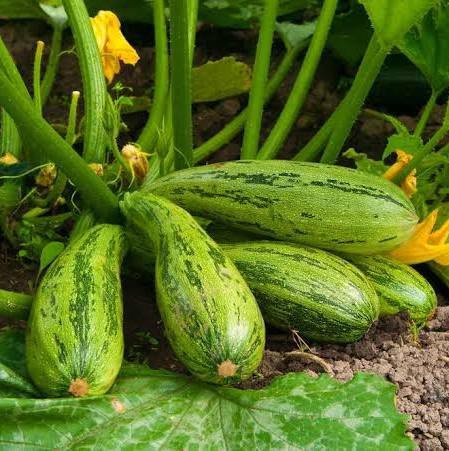
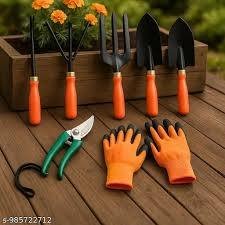
Raised beds make gardening easier by improving drainage, warming the soil, and creating a clear growing space. They are especially useful for vegetables, herbs, and small gardens.
Choose the right location
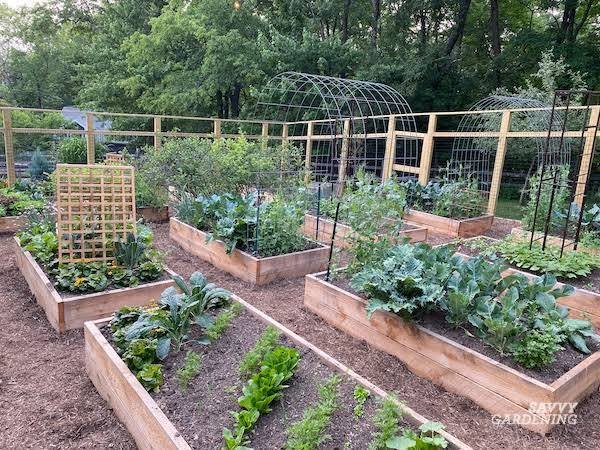
Select a level area with at least six hours of sunlight and convenient access to water. Leave enough room around the bed for planting, harvesting, and maintenance.
Build and fill the bed
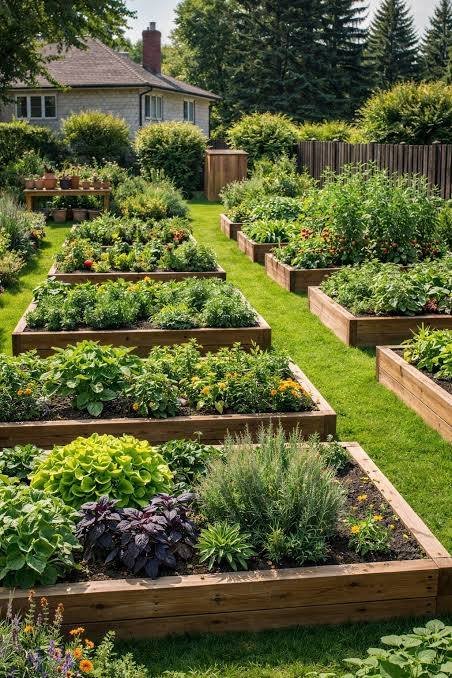
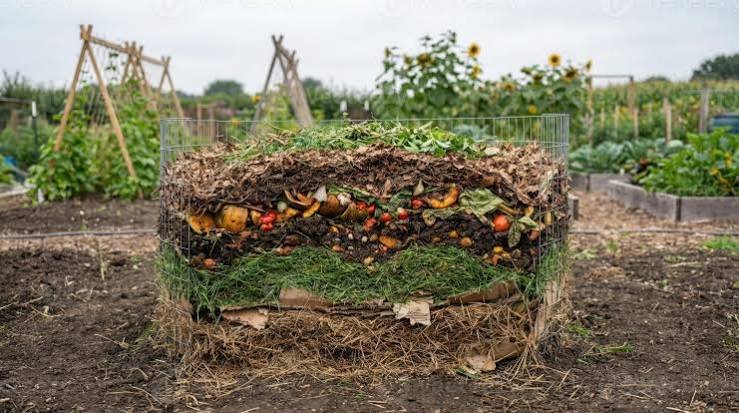
Use untreated, garden-safe materials and avoid placing the bed against a wall that could limit airflow. Fill it with quality topsoil, mature compost, and organic matter. Do not overfill, because the soil will settle after watering.
Plan for long-term care
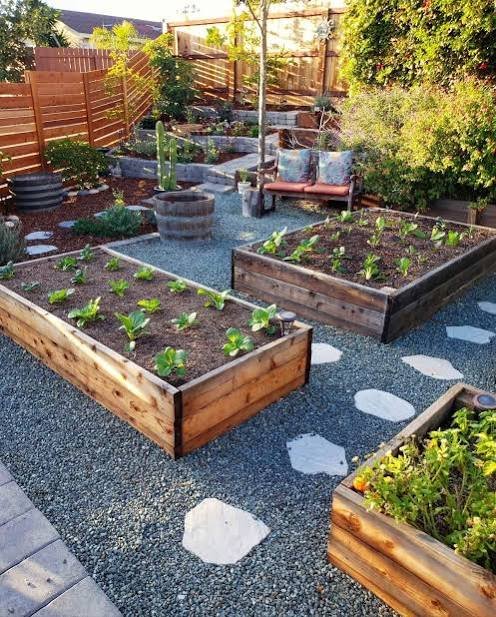
Group plants with similar water and sunlight needs. Add mulch to reduce weeds and evaporation, and inspect plants regularly for pests. With good preparation, a raised bed can provide productive harvests for many seasons.