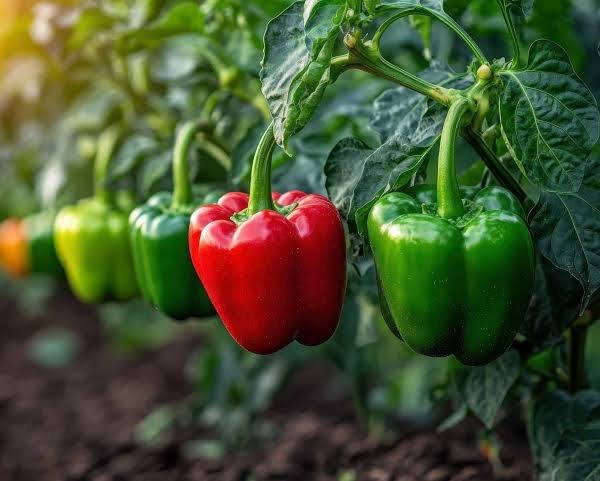
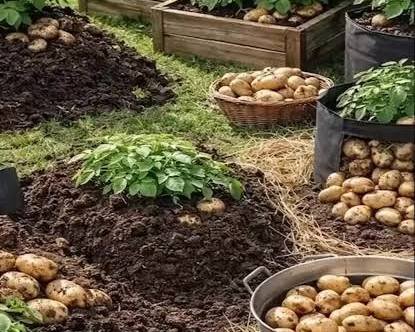
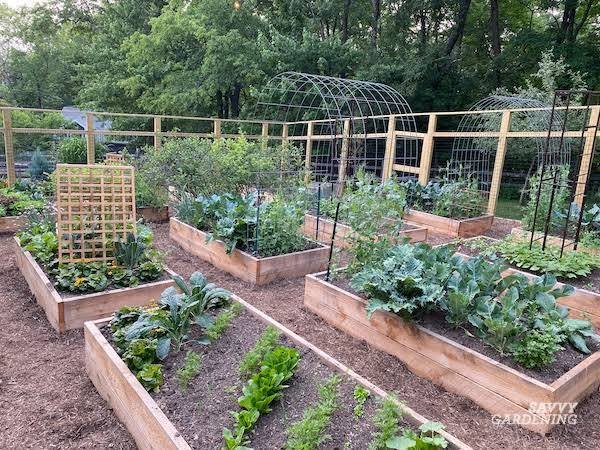
A compost pile transforms suitable kitchen and garden leftovers into valuable organic material. Besides reducing household waste, finished compost can improve soil structure, moisture balance, and the conditions plants need for steady growth. With the right materials, airflow, and moisture, even a small home compost pile can become a useful resource for the garden.
Find the right place
Choose a level location that drains well, receives partial shade, and is easy to reach with water. A bin or simple enclosure keeps the pile tidy while still allowing air to move through it. Leave some space between the pile and nearby buildings, and make sure the location is convenient enough for regular additions and occasional turning.
Combine different materials
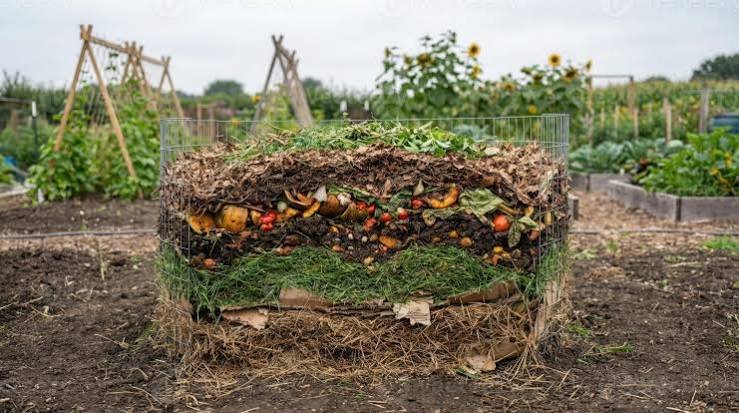
Layer nitrogen-rich items, including fresh grass and vegetable trimmings, with carbon-rich ingredients such as dry leaves, straw, and untreated shredded paper. A varied mix helps the pile break down evenly. Add bulky materials in smaller pieces when practical so microbes can work more efficiently.
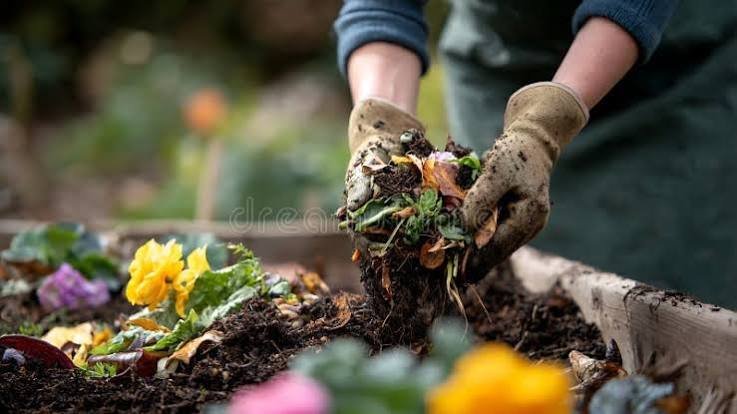
Maintain moisture and airflow
The pile should feel damp rather than saturated. If it is too dry, add a little water or fresh green material; if it is waterlogged, mix in dry leaves or shredded paper. Turn the pile from time to time to introduce oxygen and prevent compacted, unpleasant-smelling areas.
Know what to leave out
Keep meat, dairy products, diseased plants, and pet waste out of a typical home compost pile. These materials can create odors, attract unwanted animals, or spread problems. Once the compost is dark, crumbly, and earthy in smell, use it as a soil amendment in beds or spread a thin layer around established plants.
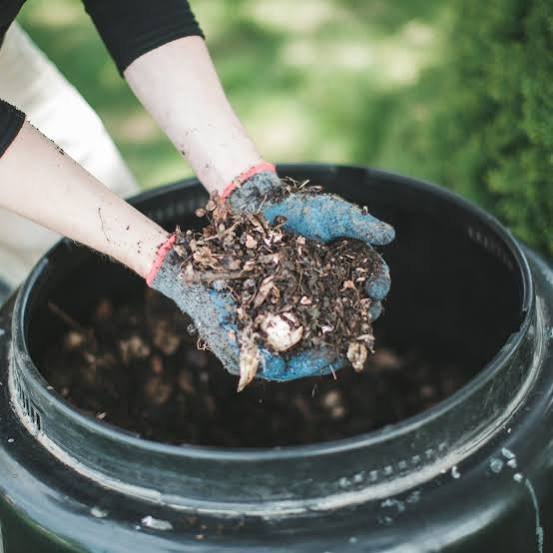
Check the pile regularly
Observe the pile each week for moisture, airflow, and a balanced mix of materials. Small adjustments are usually easier than correcting a neglected pile later. With consistent care, composting can reduce organic waste and provide useful material for healthier soil.