Garden pests can damage leaves, stems, roots, and developing fruit, but reaching for strong chemicals does not always need to be the first response. With regular checks, preventive care, and carefully chosen low-impact methods, you can protect your plants while preserving the beneficial insects that support a healthy garden.
Prevent Problems Before They Spread
Make plant inspections part of your weekly routine, paying close attention to the undersides of leaves and fresh growth. Remove heavily damaged foliage, clear away weeds that may provide hiding places for insects, and give every plant enough light, water, and room to grow. Avoid overcrowding so air can move freely between plants. Well-maintained, healthy plants are generally better equipped to withstand minor pest activity.
Start With Gentle Control Methods
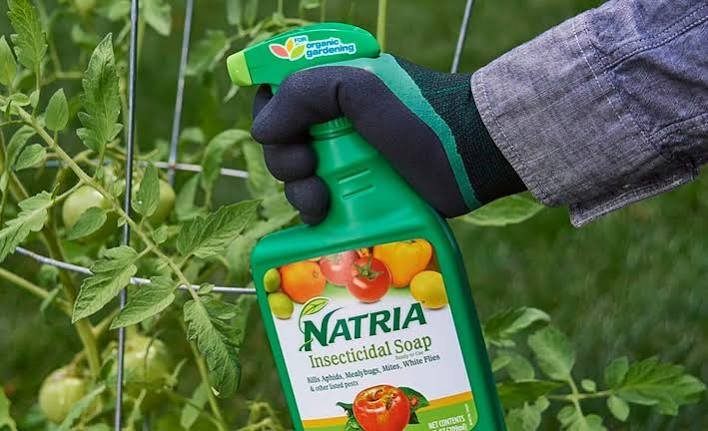
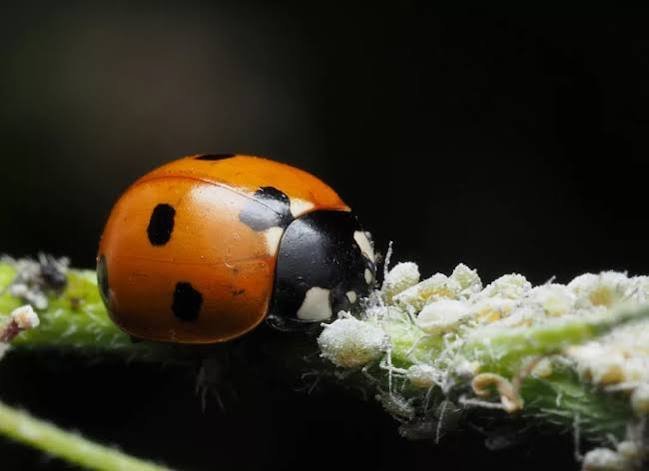
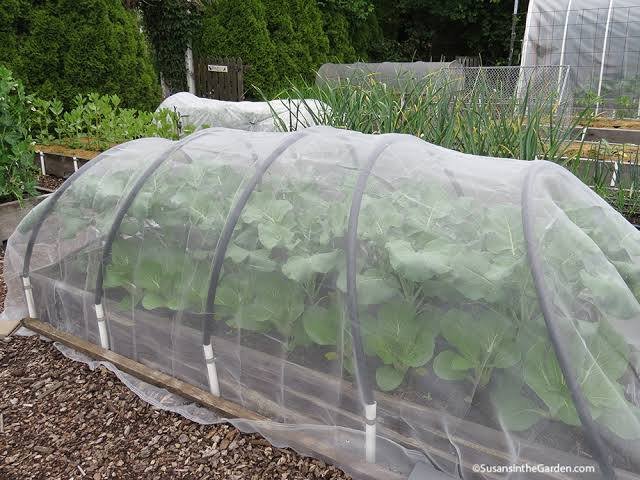
For larger insects, hand removal may be all that is needed. Smaller pests can often be rinsed from leaves with a gentle stream of water. You can also attract birds, ladybugs, lacewings, and other natural predators by planting a variety of flowers and avoiding unnecessary spraying. Row covers, physical barriers, traps, and insecticidal soap are additional options, provided they are used exactly as directed on the product label.
Know What Is Causing the Damage
Not every insect in the garden is harmful, so identify the source of the damage before taking action. Treat only the affected plants, protect pollinators, and follow all label instructions carefully. Avoid applying products in windy weather or when beneficial insects are actively visiting flowers. Regular observation and strong growing conditions are usually more effective than waiting until a small issue becomes a serious infestation.
Build a Simple Pest-Monitoring Habit
Inspect your plants once or twice each week, note recurring problems, and remove affected leaves as soon as possible. Combining clean garden practices, suitable growing conditions, physical protection, and consistent monitoring gives you a balanced way to manage pests. This approach supports healthier plants and helps reduce the need for unnecessary chemical treatments.