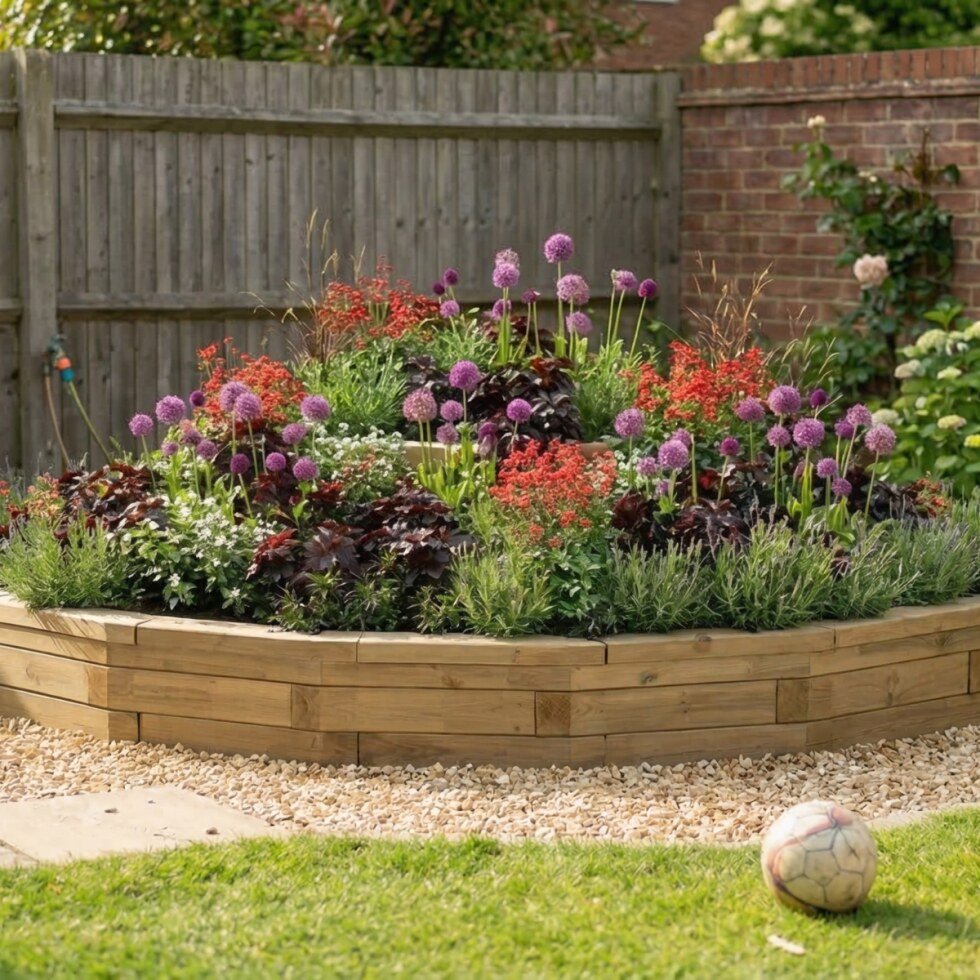
Healthy soil is the foundation of a productive and attractive flower raised bed. Before planting, remove weeds, roots, and compacted debris, then inspect the soil structure. It should hold enough moisture for steady growth but drain excess water quickly. A dense or waterlogged medium can reduce oxygen around the roots and increase the risk of root rot, especially after heavy rain.
Build a balanced growing medium
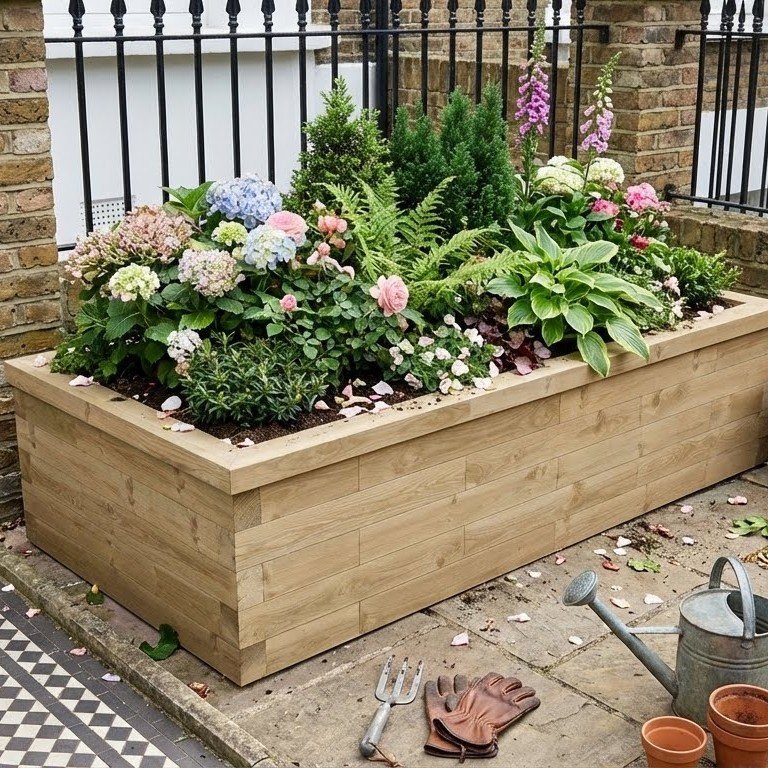
Mix quality topsoil with mature compost and, where necessary, a suitable material that improves drainage. Avoid filling the bed with pure compost because it can settle, dry unevenly, or contain more nutrients than flowers require. The final soil should be loose enough for roots to expand and stable enough to support plants throughout the growing season.
Protect fertility over time
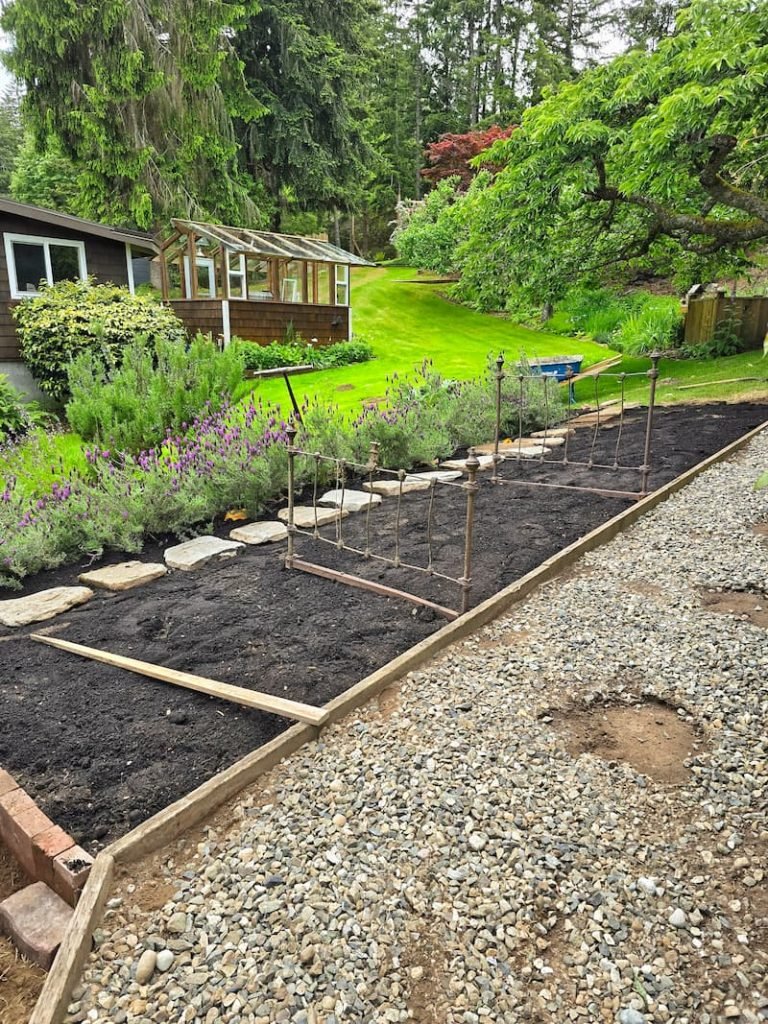
At the start of each season, add a moderate layer of finished compost to replenish organic matter. Do not add fertiliser automatically; first consider the plants, soil test results, and previous growth. Excess nitrogen can produce abundant leaves but fewer flowers. Keep the soil covered with a light organic mulch, leaving space around stems to reduce disease and maintain consistent moisture.