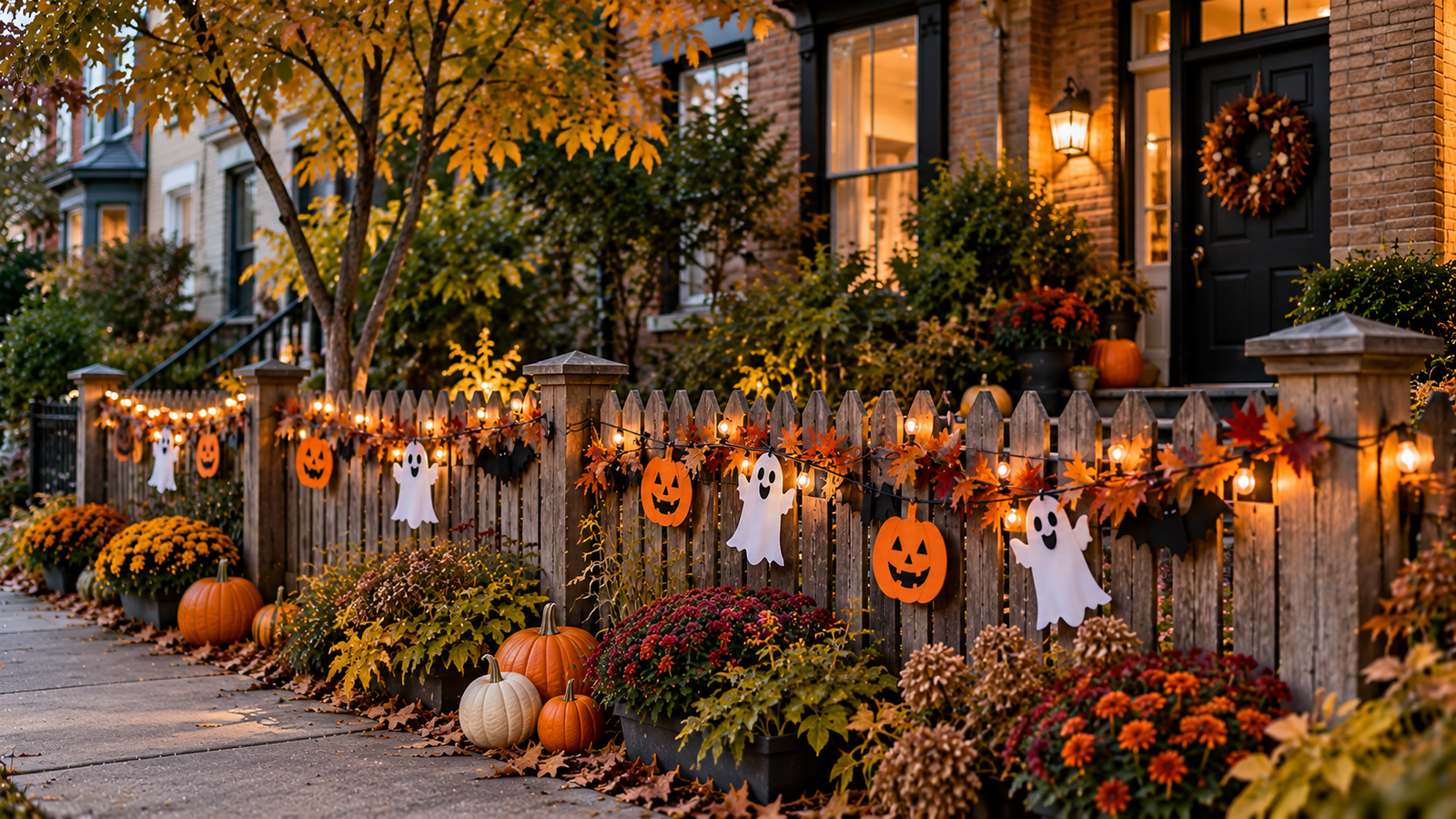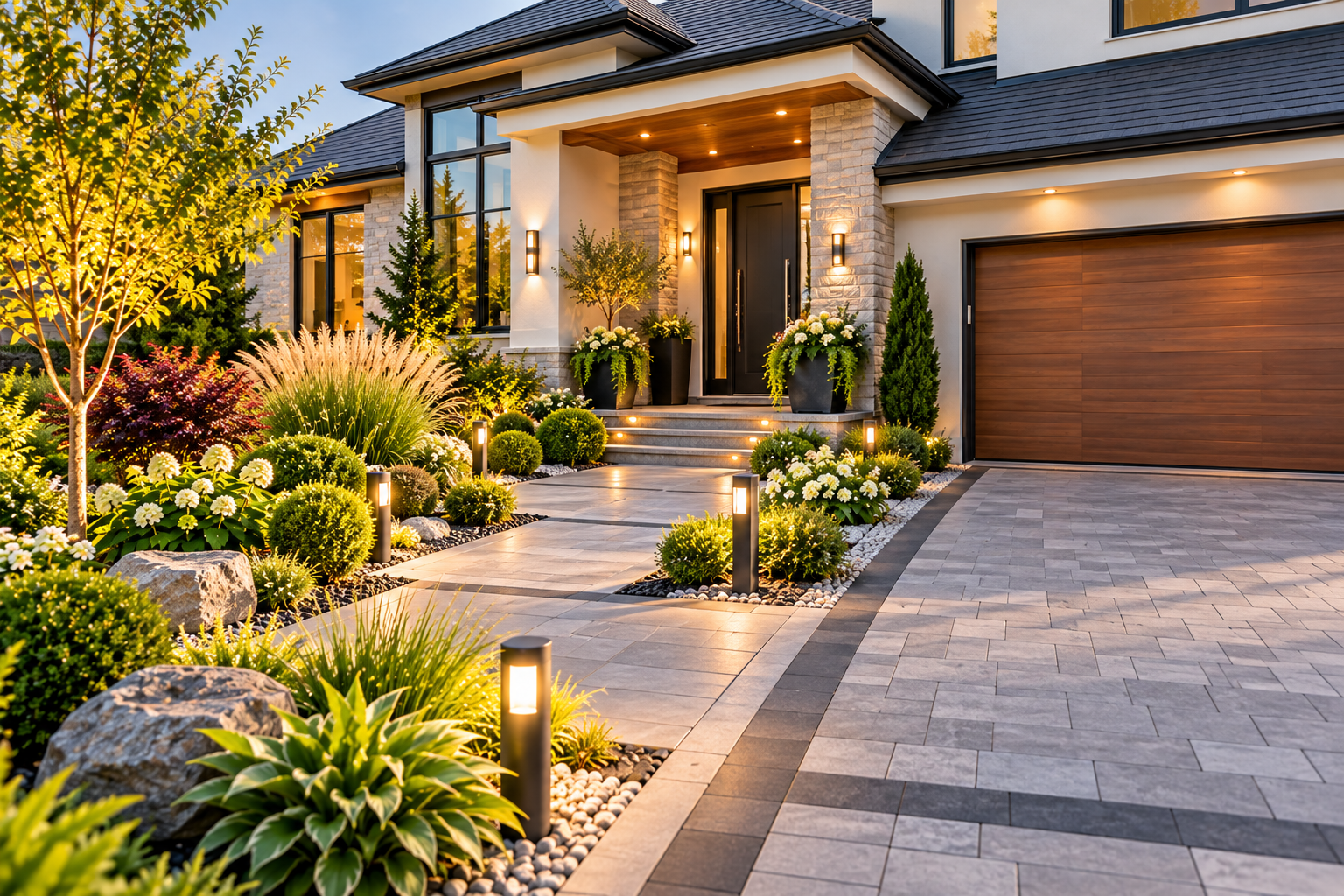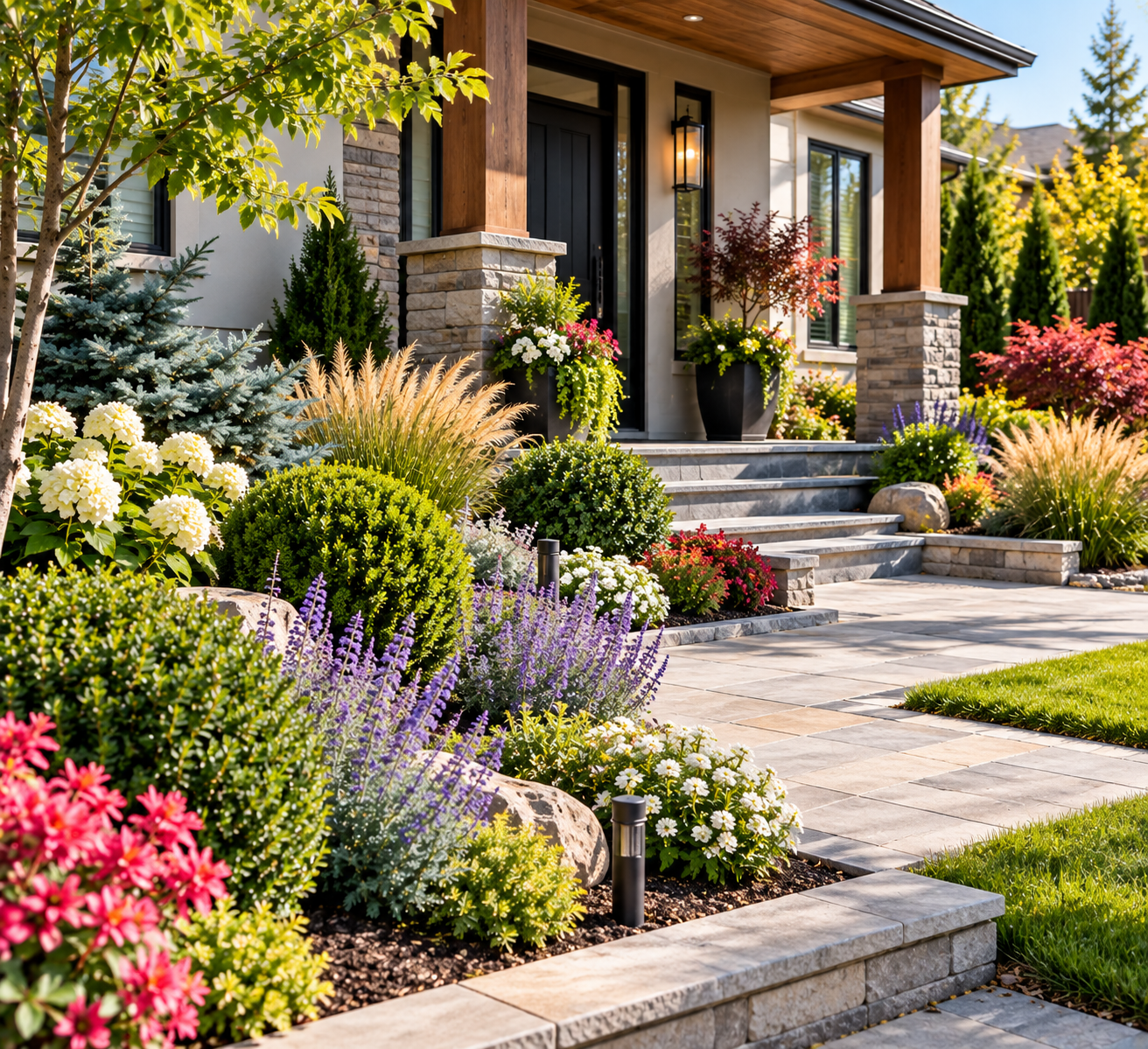
A front door color can refresh the personality of a home without repainting the entire facade. The best choice considers the wall color, roof, trim, windows, landscaping, and the amount of sunlight at the entrance. A carefully tested accent creates interest while keeping the exterior coordinated.
Start with existing colors
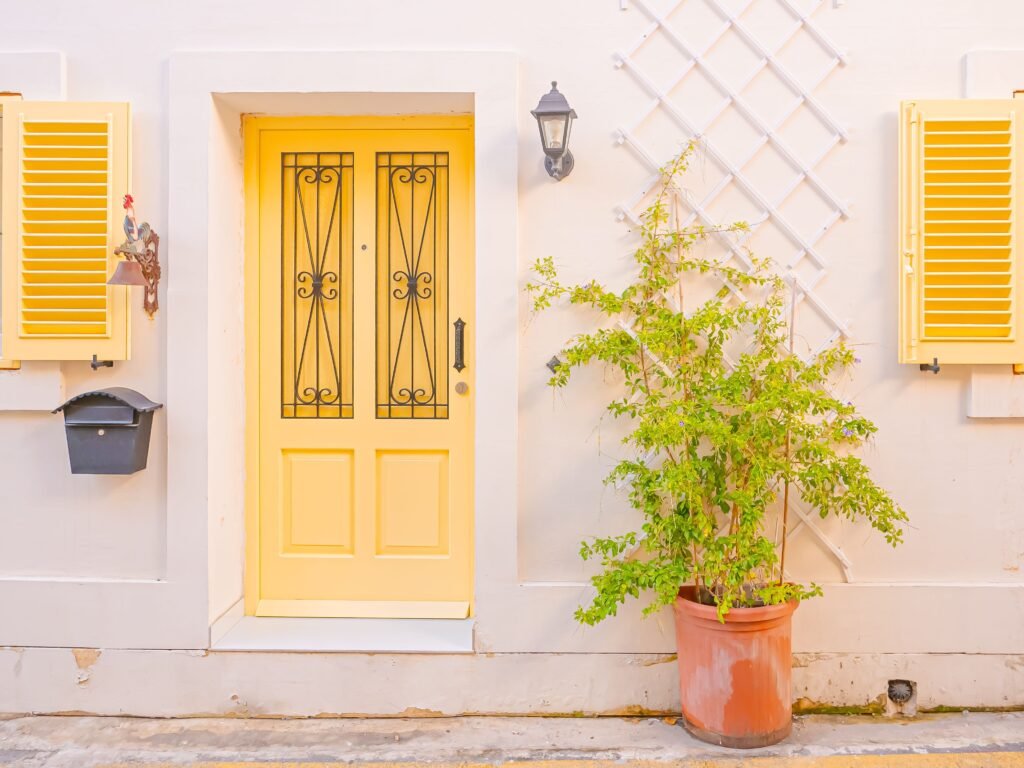
List the permanent materials around the entrance, including brick, stone, roofing, paving, and window frames. Decide whether their undertones are warm or cool. A door color that clashes with these fixed elements may look different outdoors than it did on a small paint card.
Test colors in place
Apply sample boards rather than painting directly over the door before making a final decision. View samples in morning, midday, and evening light. Consider how the color looks beside the trim and from the street. Exterior surfaces may need proper cleaning, preparation, and a suitable primer.
Use accent colors carefully
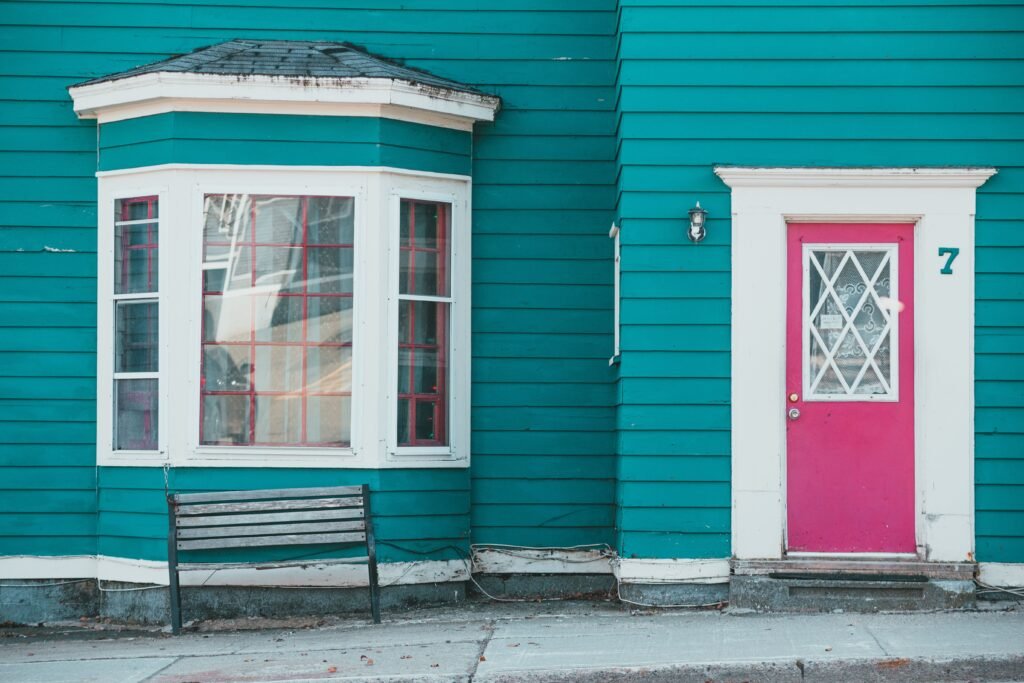
Deep green, navy, muted red, charcoal, natural wood tones, and cheerful but restrained colors can all work in the right setting. If the facade already has several strong colors, a calmer door may create better balance. Repeat the accent subtly in a planter, cushion, or small detail rather than matching everything exactly.
Consider finish and upkeep
The finish affects how visible fingerprints, dust, and surface imperfections are. Select an exterior-rated product suitable for the door material and local weather. Follow the manufacturer’s preparation and drying instructions. Inspect the door periodically for peeling, swelling, or moisture-related problems.
A successful front door color highlights the entrance, supports the architecture, and remains pleasant through changing seasons. Test first, keep the palette intentional, and prioritize a durable finish.