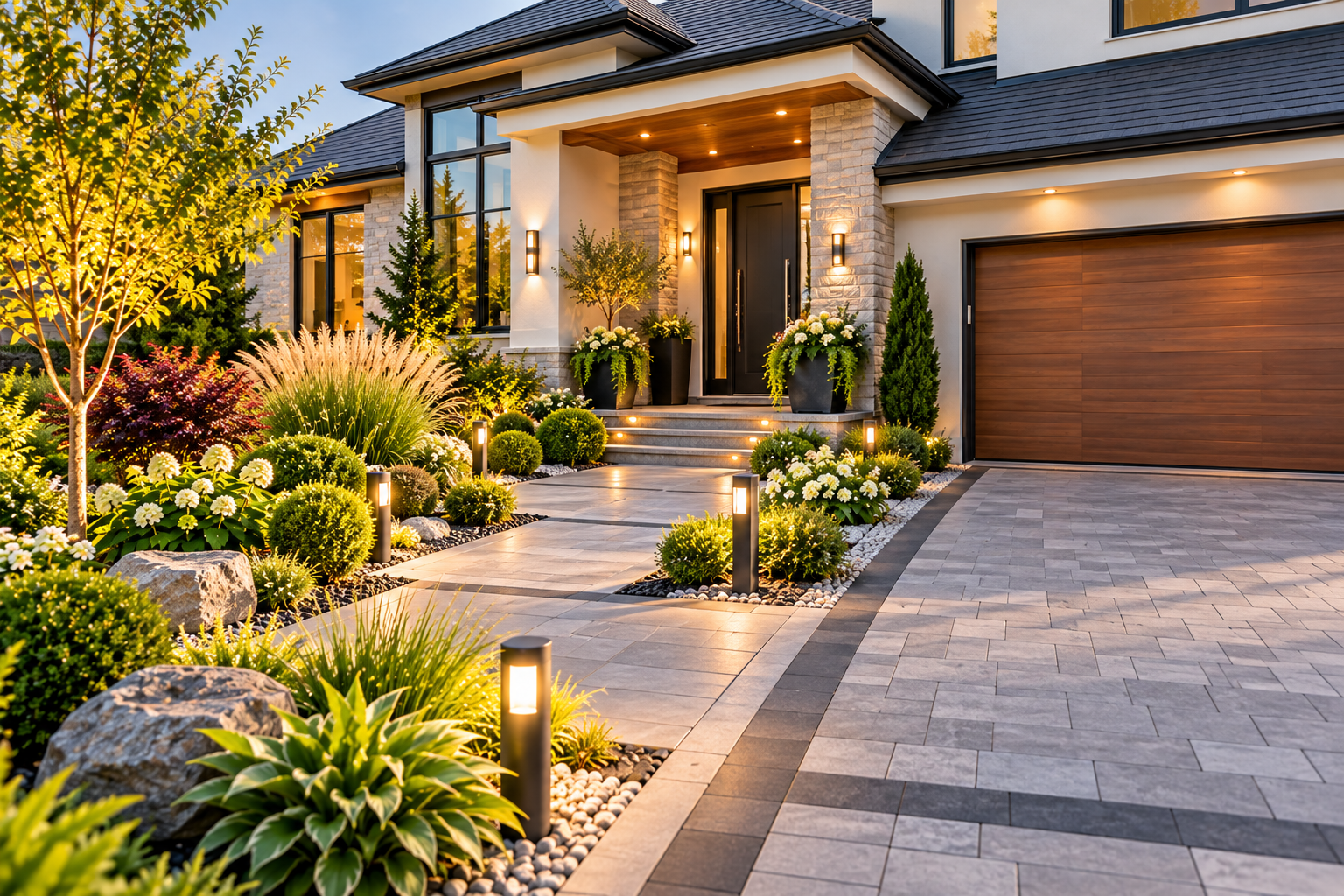
The driveway and front walkway shape how visitors approach a home. Improving these areas can make the property more attractive while also supporting safe movement, drainage, and convenient maintenance. The best design begins with practical needs rather than decoration alone.
Assess the current layout
Walk the route in wet and dry weather if possible. Look for puddles, uneven surfaces, narrow sections, poor lighting, and places where vehicles or pedestrians cross paths. Measure the available width before planning borders or planting beds. A clear route is especially important for children, older visitors, and anyone carrying groceries or packages.
Choose surfaces for the setting
Common options include concrete, pavers, brick, gravel, and natural stone. Each material has different installation, cleaning, repair, and drainage requirements. Pavers can make small repairs easier, while gravel may suit informal gardens but requires edging and occasional raking. Ask a qualified local contractor about the correct base, slope, and preparation for your soil and climate.
Improve drainage and safety
Water should move away from the house and should not collect on walking surfaces. Do not cover existing drainage points without a plan. Textured, slip-resistant surfaces are useful in areas that become wet or icy. Repair cracks and raised edges promptly, and keep plants from narrowing the path. If winter conditions are common, select materials and de-icing methods that are appropriate for the surface.
Add attractive boundaries

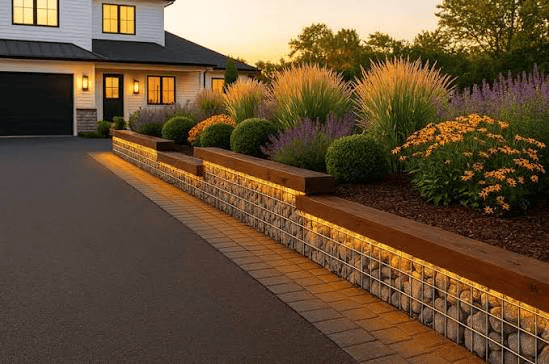
Low planting beds, neat edging, or a change in surface can visually define the driveway and walkway. Use repeating plants rather than many unrelated varieties to create a calm appearance. Keep shrubs trimmed so drivers can see pedestrians and house numbers. Trees should be placed with mature size, roots, overhead wires, and vehicle clearance in mind.
Use effective lighting
Path lights should guide movement without shining directly into windows or drivers’ eyes. Illuminate changes in level, turns, steps, and the entrance. Solar lights may be convenient in sunny locations, while wired systems can provide more consistent output. Check fixtures regularly and keep lenses clean.
A well-planned approach combines durable materials, reliable drainage, clear visibility, and restrained planting. These improvements make the entrance more useful every day and more welcoming to guests.