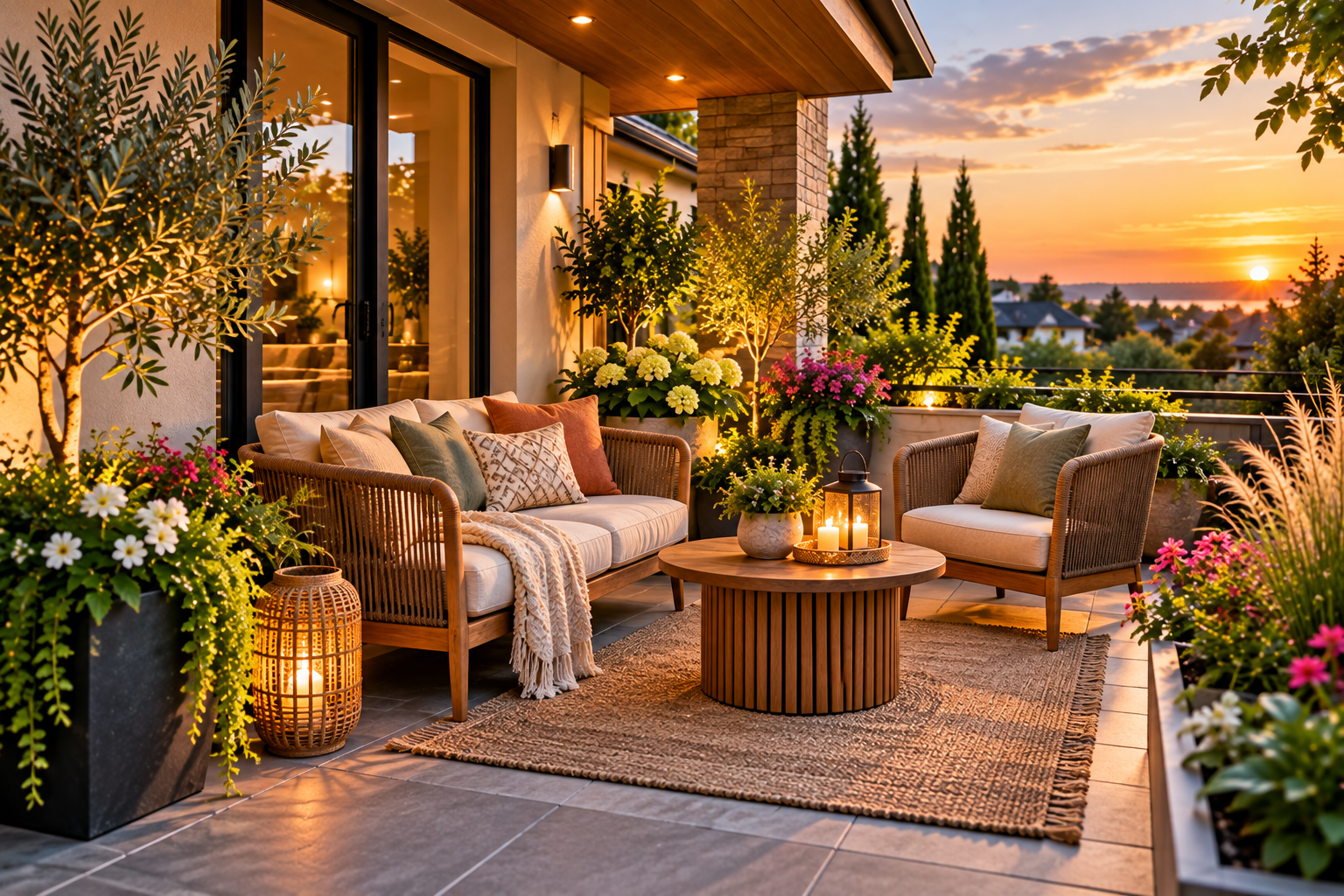
A well-designed terrace can become a comfortable extension of the home. Good planning balances seating, shade, lighting, planting, and circulation so the space feels inviting without becoming crowded.
Define the main purpose
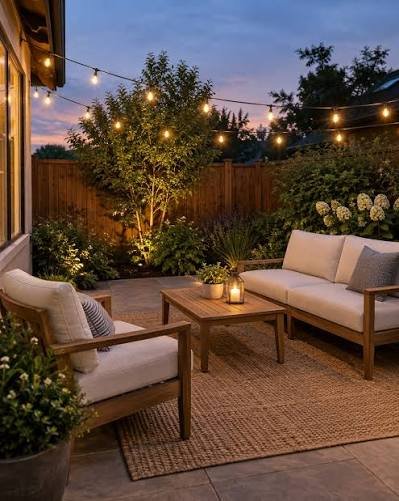
Decide whether the terrace is mainly for dining, conversation, reading, or entertaining. This choice determines the furniture layout and the amount of open floor space required.
Choose weather-resistant materials
Select flooring, furniture, cushions, and finishes that can handle the local climate. Provide drainage and avoid materials that become dangerously slippery when wet.
Add shade and privacy
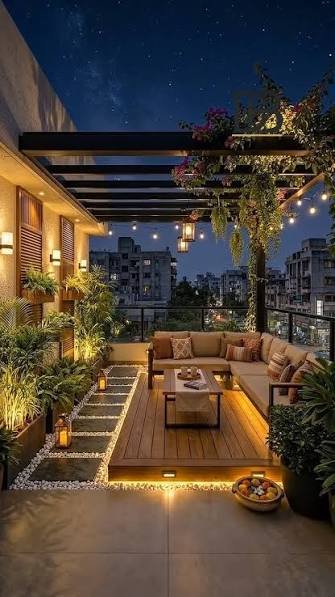
Umbrellas, pergolas, screens, trellises, and carefully placed plants can make the terrace more comfortable. Leave enough space for airflow and maintenance.
Use layered lighting
Combine soft ambient light with practical illumination near steps, doors, and dining areas. Shield fixtures to reduce glare and protect neighboring properties.
With durable materials and a flexible layout, a terrace can support peaceful evenings and lively gatherings throughout the season.