
Outdoor lighting can improve the appearance of a home entrance while making steps, paths, and house numbers easier to see after dark. Effective lighting is comfortable and purposeful rather than excessively bright. Begin with safety and visibility, then add decorative fixtures that suit the architecture.
Identify important areas
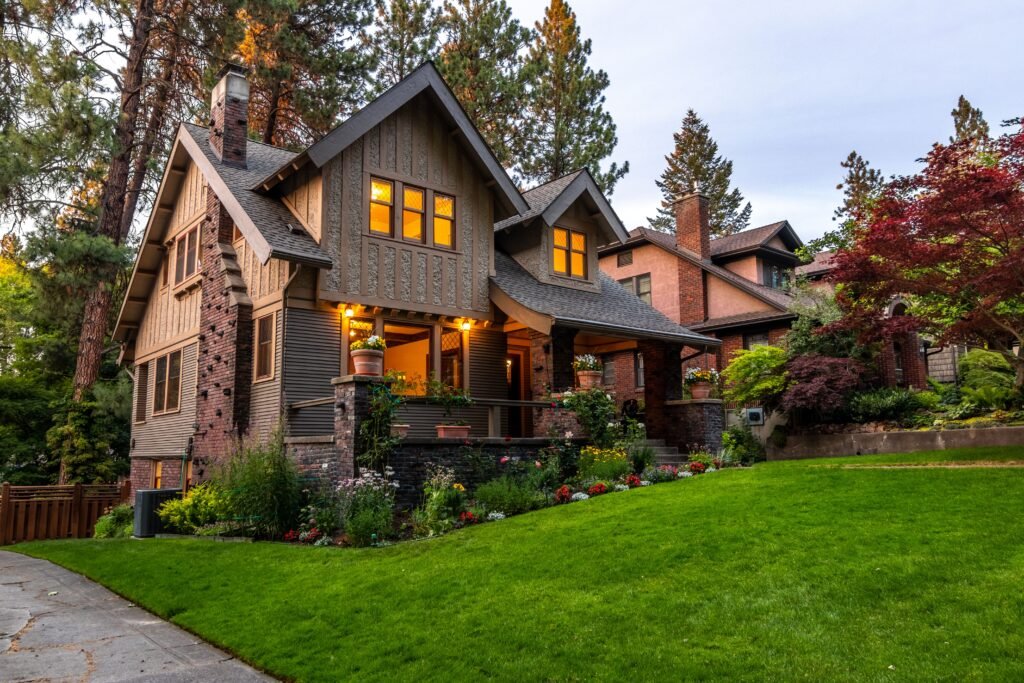
Walk the property after sunset and note steps, changes in level, turns, narrow passages, door locks, and areas where pedestrians cross the driveway. These locations deserve priority. House numbers should also be visible from the street without glare.
Use layered lighting
Ambient lighting can softly illuminate the porch, task lighting can help at the door, and path lighting can guide movement. Avoid placing many identical lights too close together, as this can create glare and uneven shadows. A few well-positioned fixtures often work better than a large number.
Select suitable fixtures
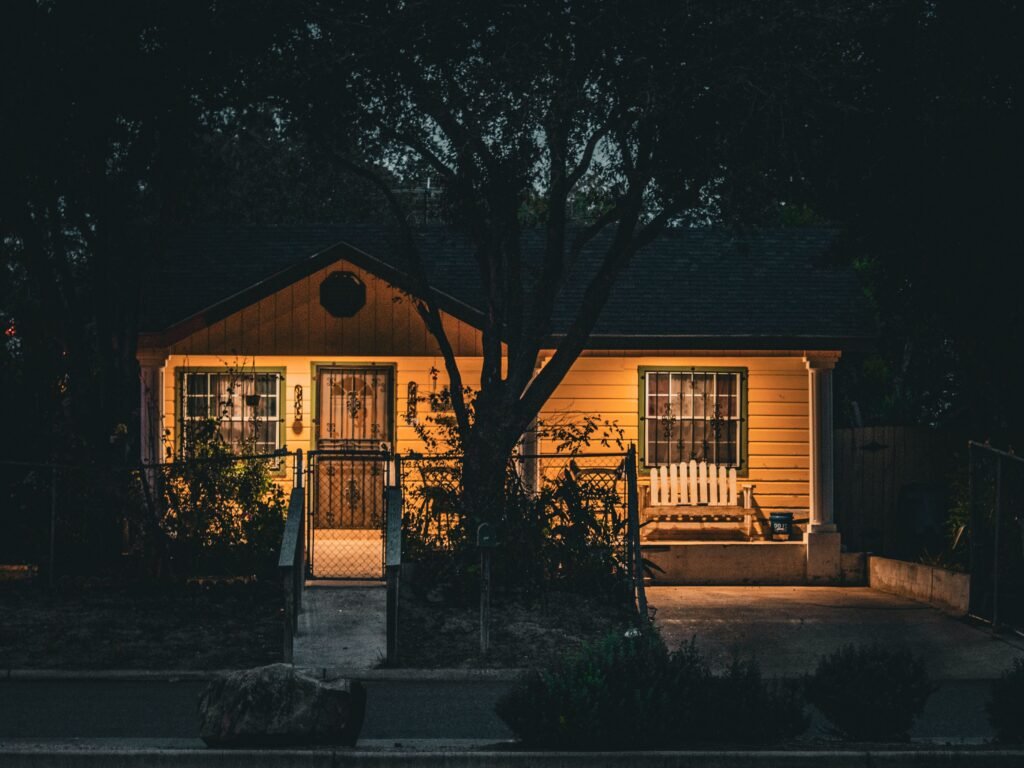
Choose products rated for outdoor use and appropriate for the local weather. Warm, comfortable light often suits residential entrances, while the exact color temperature depends on personal preference and the surrounding materials. Keep fixtures proportional to the house and use shields where needed to protect neighbors and drivers from glare.
Plan installation responsibly
Follow local electrical requirements and use a qualified professional for wiring when necessary. Solar lights can work in sunny locations, but their output depends on weather and placement. Timers, sensors, and smart controls can reduce unnecessary operation when configured correctly.
Maintain the system
Clean lenses, trim plants that block light, inspect cables, and replace damaged fixtures promptly. Lighting should reveal hazards without shining directly into windows. A balanced system adds welcome, security, and curb appeal while using only the amount of light the entrance truly needs.